FahnenGärtner Guide

Imagine you drive past a company every day. In front of it stands a flagpole—with a flag that’s been fluttering in the same wind for months. The red has faded. The bottom corner is a little torn. The text on it has always been too small to read.
Does this flag have any impact? No. But it’s still hanging there.
That’s exactly the problem most companies have with promotional flags. They buy a product, hang it up—and then wonder why it isn’t having any effect. But the issue isn’t with the product. It’s with how it’s used.
This guide explains why promotional flags are one of the most effective outdoor advertising tools—and why they’re only effective when used correctly.
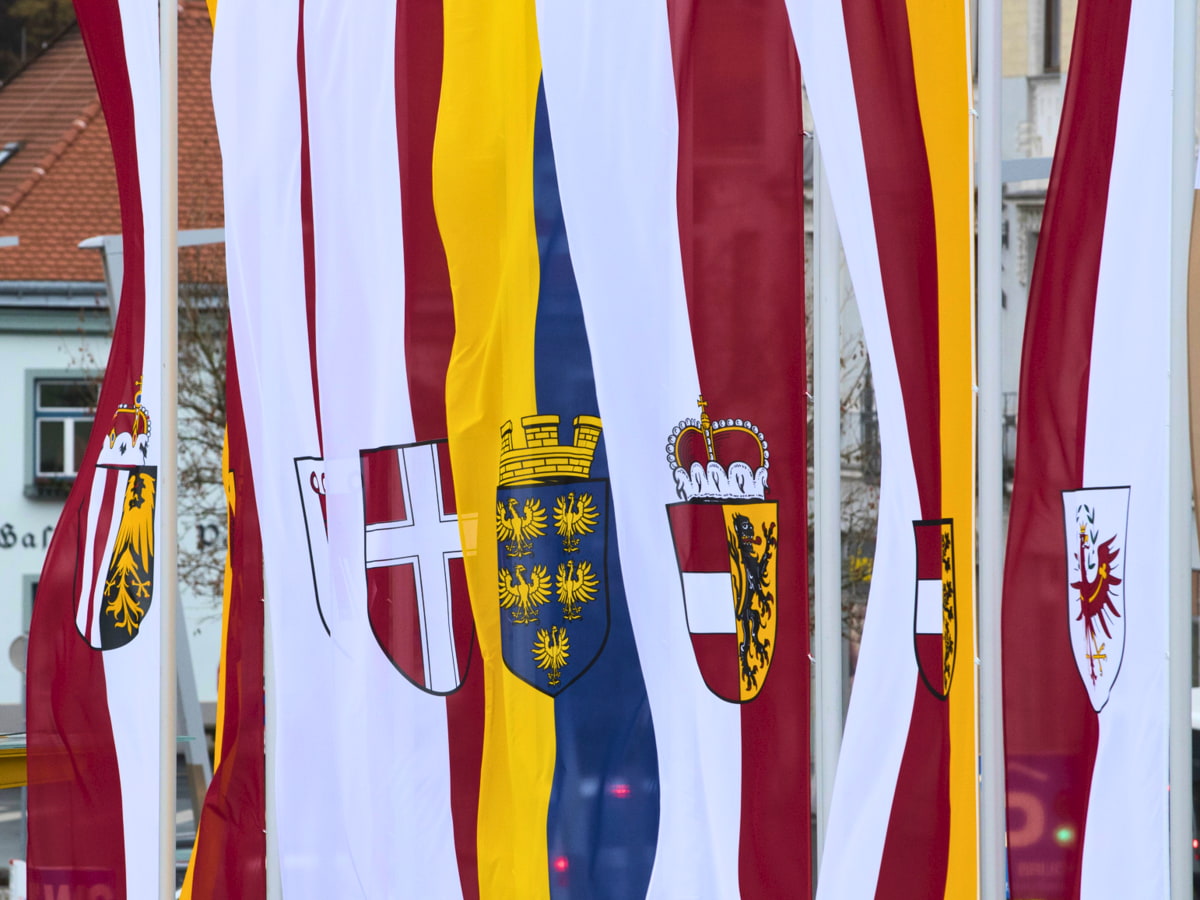
Hanging a flag sounds like a simple task. Put up the flagpole, hoist the flag, and you’re done. But anyone who has ever watched the wrong national flag being raised during a state visit—or seen the EU flag hanging upside down over a city hall—knows: Municipal, state, and national flags are not off-the-shelf items. They are symbols of sovereignty that follow specific rules. And not everyone is familiar with these rules.
This guide explains what really matters when purchasing and using municipal, state, and national flags—so you can be sure everything is done right.
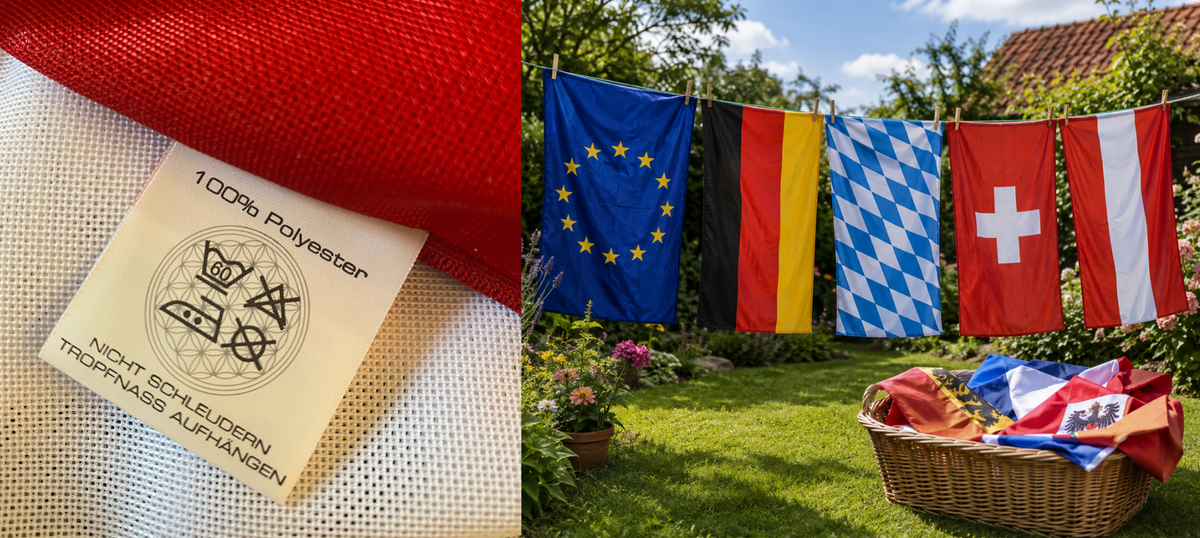
Flags are exposed to wind, weather, UV radiation, and environmental factors around the clock. Proper care is essential to ensure that colors remain vibrant for a long time and that the material continues to function effectively. Regular cleaning and proper handling significantly extend the life of your flags and ensure that your company, club, or institution always makes a professional impression.



Flagpoles are not only prestigious, they must also be securely and stably anchored in the ground. To ensure that your flag flies reliably and the pole can withstand wind and weather, correct installation is crucial. In this guide, we show you how to professionally install flagpoles in the ground and build a flagpole foundation.